
Virudhai Samba Chilli

Virudhunagar Samba Chilli

The Pride of Virudhunagar. The Authentic GI-Tagged Chilli of Tamil Nadu.

Traceable | GI Certified
0 %

A Legacy Preserved. Future Transformed.

Agriculture
Technology
Innovative

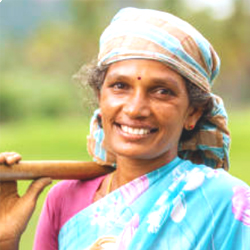
Virudhunagar Samba Chilli is more than a crop—it is the livelihood of thousands of farming families and a symbol of the region’s agricultural heritage.

Our Mission To preserve the heritage of GI-tagged Virudhunagar Samba Chilli through sustainable farming, scientific innovation, value addition, traceability, and strong market linkages that create lasting value for farmers and consumers alike.

GI-Tagged Product

✔ GI Registration No.: 693

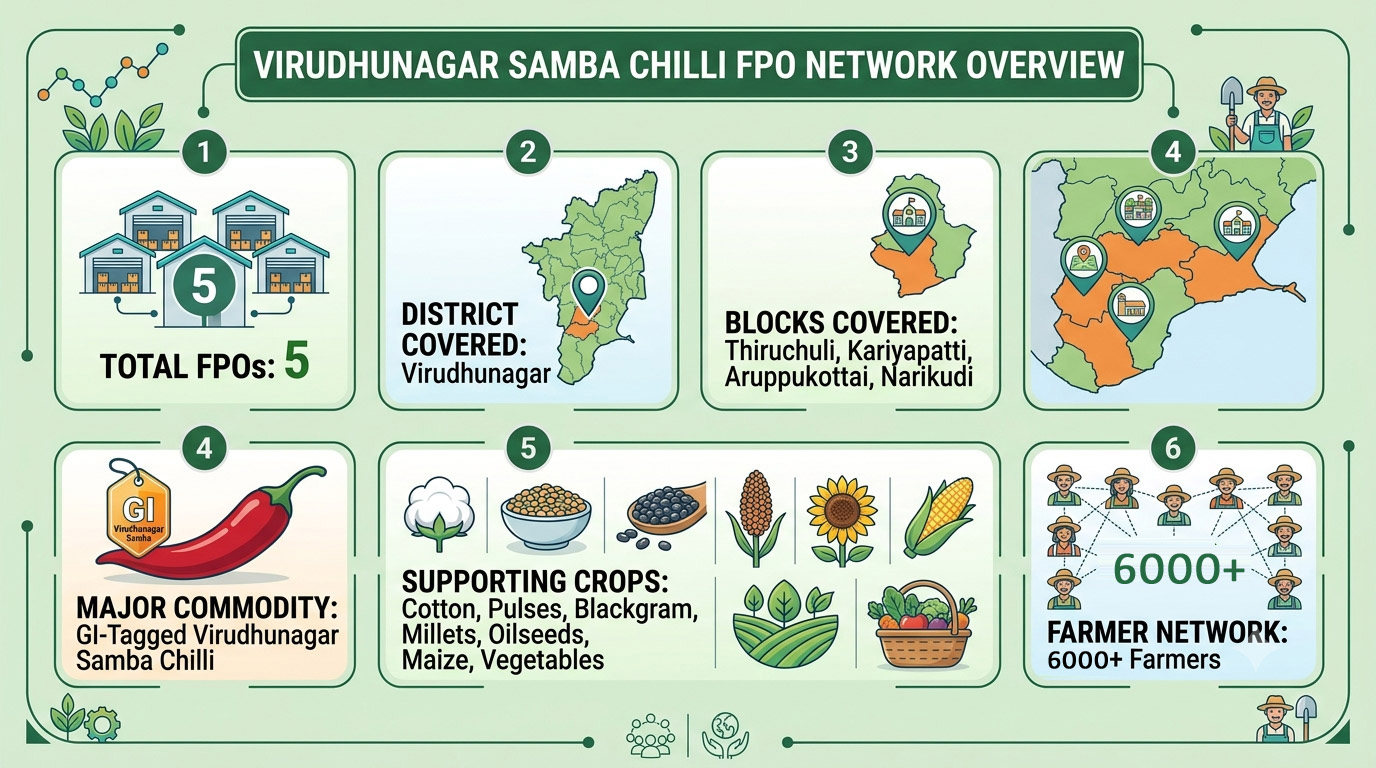
With the support of NABARD, MABIF, Farmer Producer Organisations (FPOs), researchers, and local farming communities, an integrated value chain has been developed to strengthen every stage of production—from seed to market.


Today, our farmers follow scientific cultivation practices, sustainable farming methods, modern processing standards, and digital traceability systems to deliver authentic GI-tagged products to consumers worldwide.

Projects

Post-GI Interventions for GI–Tagged Virudhunagar Samba Vathal

Despite GI recognition, Virudhunagar Samba Vathal still faces challenges such as limited market access, weak awareness among producers, and risks of misuse of the GI label. Post-GI interventions are essential to strengthen market linkages, build producer capacity, and ensure effective protection and promotion of the GI product.
Geographical Indication (GI) App for Traceability

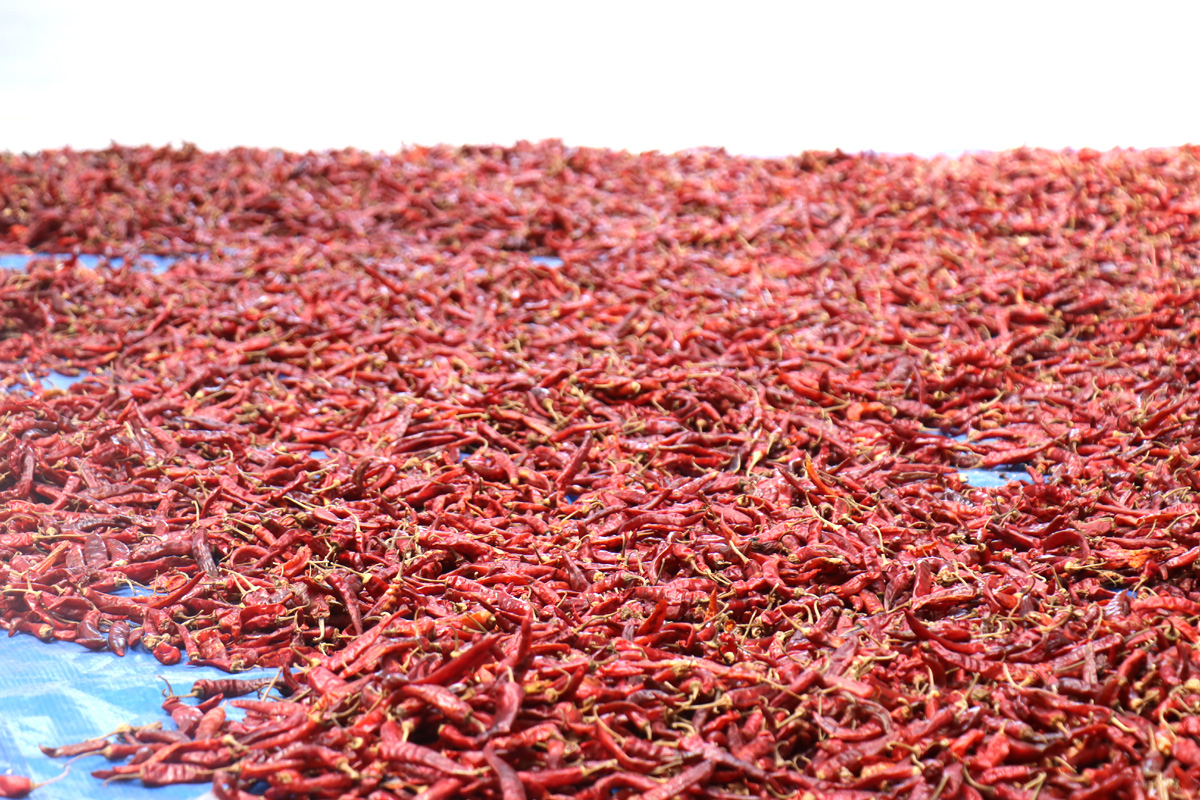
Virudhunagar Samba Vathal is a traditional sun-dried product known for its unique quality and cultural significance. However, weak traceability systems and the presence of counterfeit products affect authenticity and market trust. A blockchain-based GI traceability app will ensure – secure, transparent tracking from farm to market and protect product identity and value.
Value Addition of Chillies under Livelihood Entrepreneurship Development Programme (LEDP)

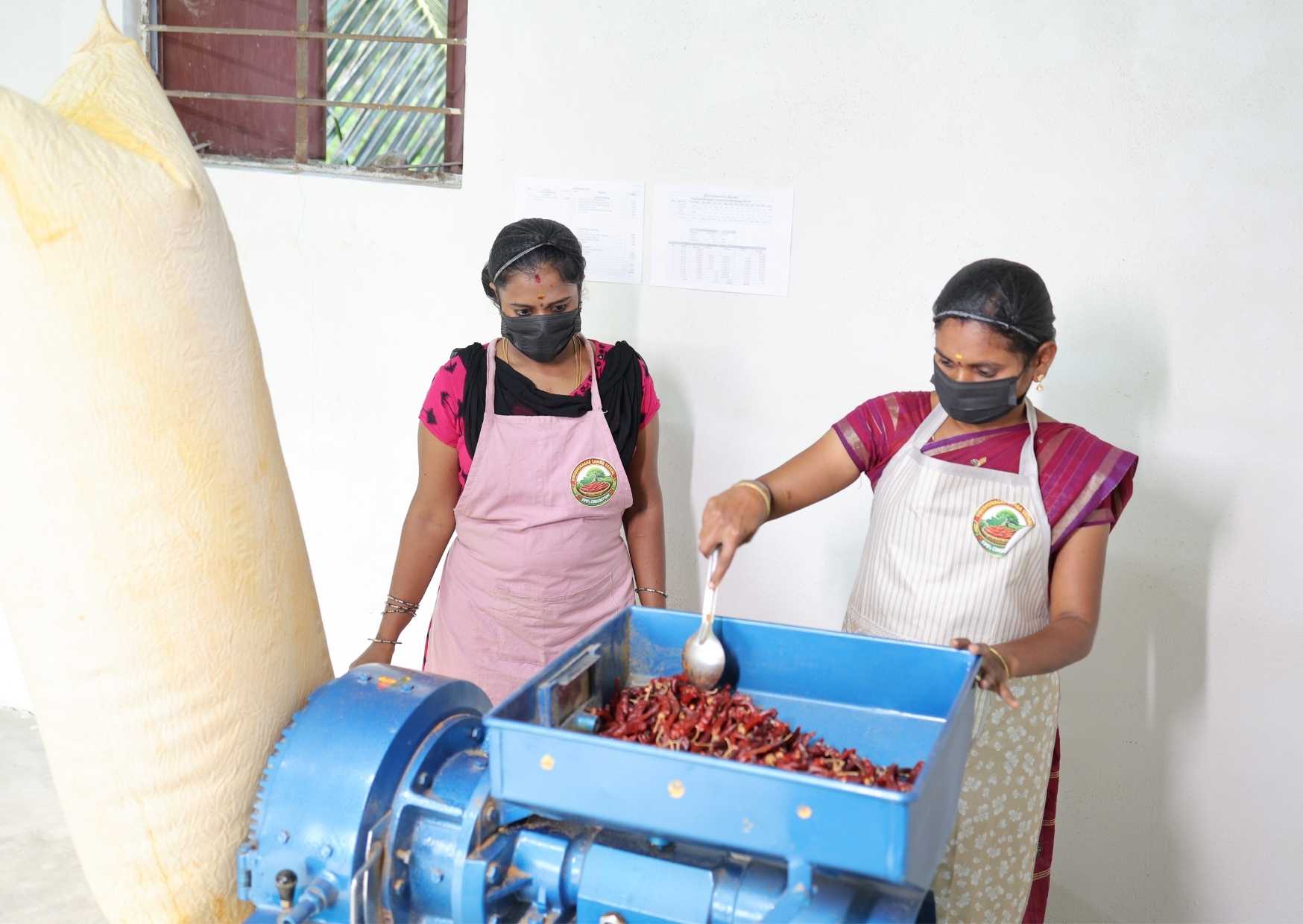
GI recognition of Virudhunagar Samba Chilli alone has not translated into higher incomes due to limited value addition and weak market linkages. Many farmers and SHG members lack access to processing facilities, branding, and modern marketing skills.
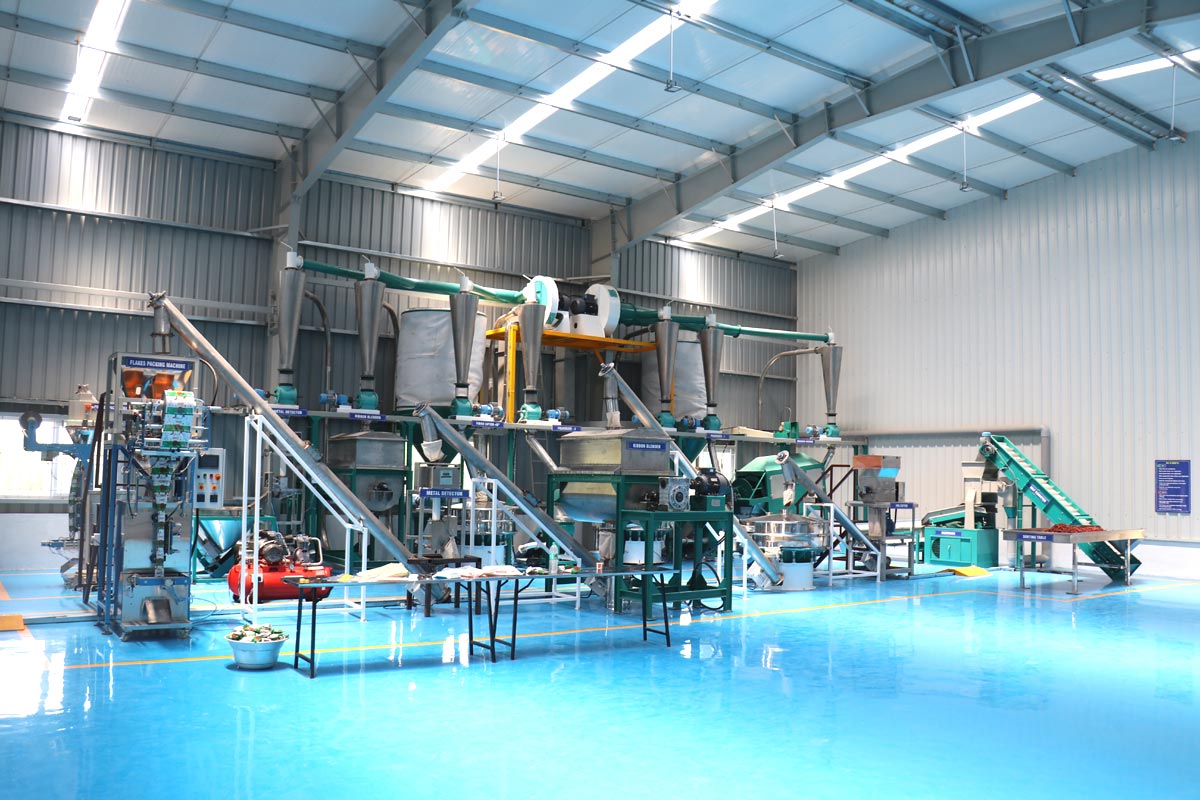
Establishment of an Integrated Samba Chilli Value Chain Management

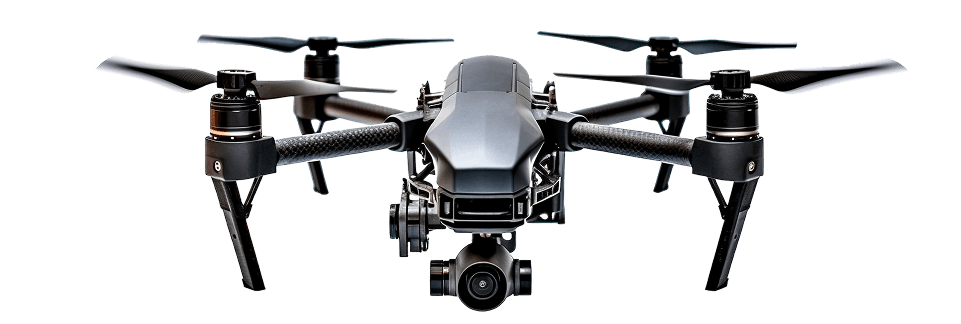
Farmers face labour shortages and high costs, making drone-based spraying essential for efficient, timely, and cost-effective farm operations.
Supported By


Madurai Agribusiness Incubation Forum (MABIF)

Tamil Nadu Agricultural University (TNAU)

National Bank for Agriculture and Rural Development (NABARD)
Cultivating Excellence in Every Green Field

Seed
Germination
Seed Germination Rate (up from 65-70%)
0 %+
Farmers
Income
Max Additional Income per Acre achieved
0 K+
Storage
Integrated Scientific Storage Capacity
0 MT
Rural
Employment
Local Employment Opportunities Created
0 +
Drone
Support
Farmers Supported via Drone Precision spraying
0 +

FPO's

Hear from satisfied farmers

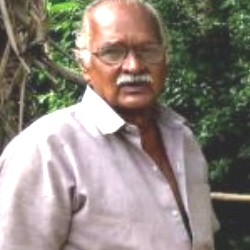
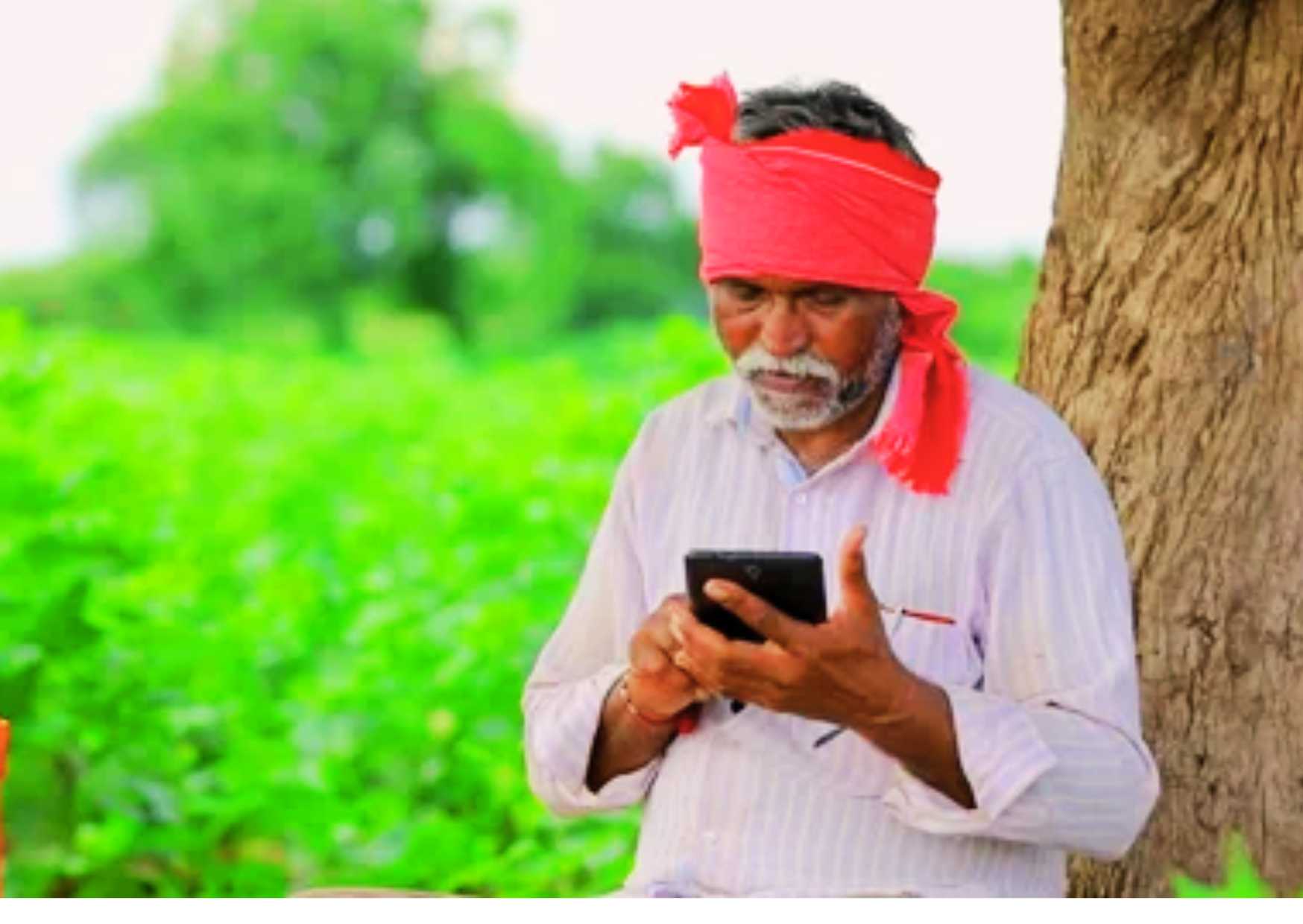
Mr. Palanisamy, a local chili and cotton farmer, struggled with labor shortages, rising costs, and the health risks of manual chemical spraying. Through the Drone Custom Hiring Centre established by SEEDS FPCL and Valarchi FPCL, his spraying operations are now completed precisely in just 30 minutes per acre. This intervention has cut labor dependency, lowered input costs, and boosted farm profitability while ensuring much safer farming practices.

Palanisamy Farmer

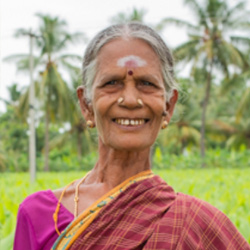
Ms. Rakkayi, a Samba Chilli farmer, struggled with poor storage, heavy post-harvest losses, and a dependence on middlemen. Through the Integrated Value Chain Project, she gained access to modern drying yards, grading units, scientific storage, and a processing centre. Additionally, the new GI branding initiative boosted her market visibility and significantly improved her price realization.

Rakkayi Farmer

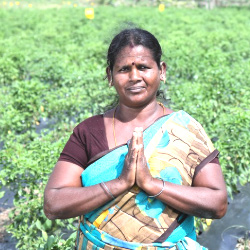
Mrs. Pechiammal, a chili producer and SHG member, previously sold only raw produce with limited income opportunities. Through the Livelihood Entrepreneurship Development Programme (LEDP), she was trained in hygienic processing, packaging, branding, and digital marketing. Backed by buyer-seller meets and FPO support, she transitioned into entrepreneurship with direct market access and higher income.

Pechiammal Organic Grower